

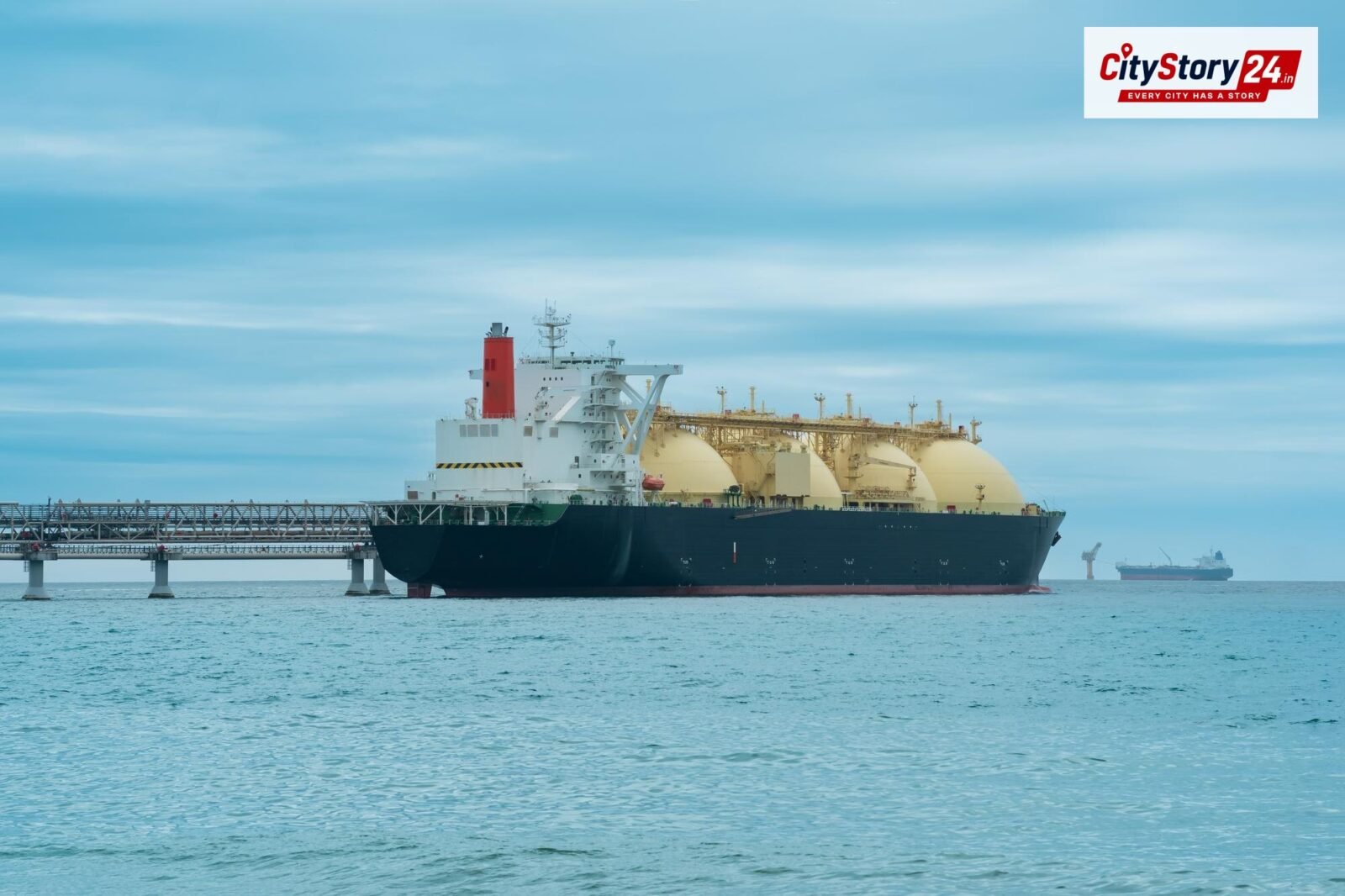
- A US fighter jet struck the stern of M/V Ocean Molica on October 10
- The ship, also called the Arika Sun, is Panama-flagged
- CENTCOM says no crew members were harmed
- The blockade resumed on July 14; 135 ships have been turned around
- Strait of Hormuz transits fell to a more than two-month low
A US fighter jet struck the stern of the Panama-flagged ship Ocean Molica in the Gulf of Oman, disabling its propulsion, US Central Command (CENTCOM) said.
What happened
The ship, also called the Arika Sun, had left an Iranian port and attempted to transit regional waters, CENTCOM said. The strike did not harm the crew.
CENTCOM said the crew had “ignored repeated warnings and attempted to run the ongoing naval blockade against Iran”.
The number of vessels transiting the Strait of Hormuz fell to its lowest level in more than two months. The drop came after attacks on tankers reached their highest level since the US and Israel launched the war on Iran in February. The disruption has raised concerns over shipping and supported crude prices.
The blockade so far
CENTCOM said its forces resumed the blockade against all ships entering or departing Iranian ports on July 14.
In three months of strict enforcement, four commercial vessels have been disabled and 135 ships have been turned around, CENTCOM said.
Oil flows and Gujarat’s refineries
Vadinar in Gujarat is home to a 20 million tonnes a year oil refinery of Naraya Energy, which is backed by Russian oil giant Rosneft. Earlier reports on the refinery say Vadinar is the landing point for crude that goes to hinterland refineries, such as the Bina refinery of Bharat Petroleum Corporation Ltd (BPCL).
In March 2026, an Iranian cargo was headed to Vadinar. In April, an Iranian very large crude carrier, the Derya, reached waters off Gujarat, carrying an estimated 2 million barrels of crude.
Under a US waiver, accepting cargo loaded after the deadline could expose buyers to secondary US sanctions. That made Indian refiners unlikely to take the Derya’s shipment.
Why it matters for India
About 50% of India’s crude oil and most of its LPG depend on supplies that transit the Strait of Hormuz, according to an April 2026 report.
In March 2026, analysts said Indian refiners faced a sharp deterioration in cost structure. They pointed to higher crude procurement prices, elevated freight and insurance costs, and longer shipping routes. Those comments covered India as a whole, not Gujarat specifically.